
Test Drive  , our AI Chatbot - get instant regulatory answers, free and live! Try Now
 February 24, 2026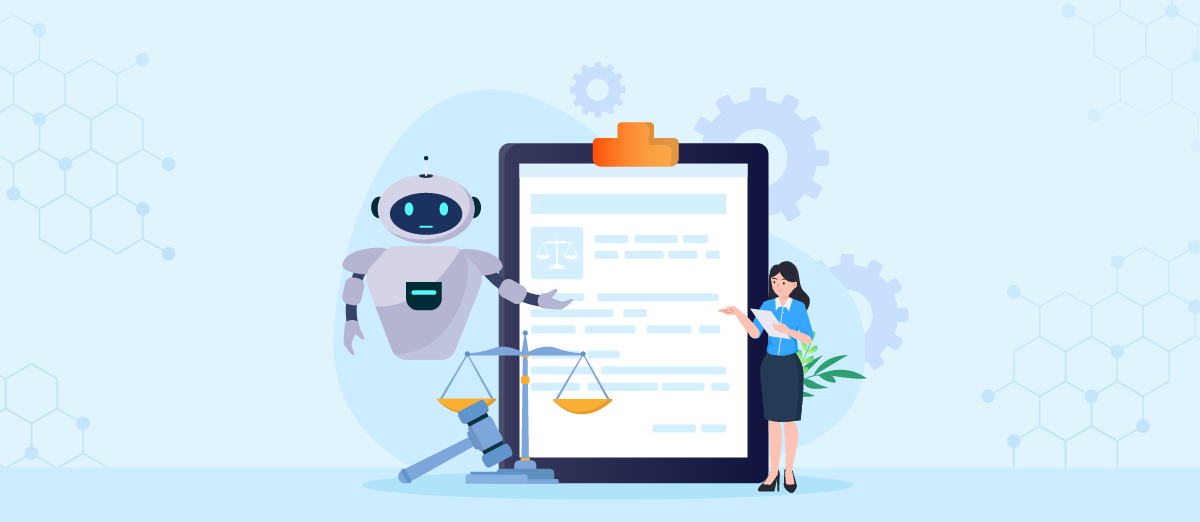
AI in Compliance has moved from experimentation to expectation. Across pharma, biotech, and medical devices, algorithms now scan thousands of regulatory sources daily, flag changes in near real time, and surface patterns no human team could reasonably detect alone. And yet, for all this computational muscle, human-led compliance in pharma has never been more critical.
That tension, between automation and judgment, is not a flaw in modern regulatory intelligence. It is the model.
The future of regulatory intelligence will not be decided by how advanced AI becomes, but by how effectively organizations combine machine-driven scale with human-led interpretation, accountability, and context. Pharmaceutical regulatory compliance lives or dies in nuance, and nuance is still a human domain.
Regulatory compliance in life sciences has always been complex. What has changed is its velocity and fragmentation. Health authorities now issue:
For global pharma companies, pharmaceutical regulatory compliance is no longer about knowing the rulebook. It is about tracking how the rulebook is being interpreted, enforced, and quietly reshaped.
This is where AI in life sciences compliance entered the conversation.
AI did not arrive because regulatory teams wanted innovation. It arrived because manual monitoring stopped working.
Modern regulatory intelligence tools for pharma now rely on AI to:
In practical terms, AI excels at volume, speed, and pattern recognition. It does not get tired. It does not miss a late-night update from a regional authority. It does not forget what changed six months ago.
But here’s the thing.
Compliance failures rarely happen because teams missed an update. They happen because teams misunderstood its impact.
AI can tell you that a regulation changed.
It cannot reliably tell you what that change means for your product, today.
Consider a familiar scenario:
An AI system can flag all three within minutes. But deciding:
Those decisions require human-led compliance in pharma – experienced regulatory professionals who understand regulatory intent, enforcement behavior, and business context.
The biggest misconception about AI in regulatory intelligence is that it reduces human involvement. In reality, it raises the bar for human expertise. Teams that rely blindly on automation tend to react faster but think slower.
Many organizations still operate under an outdated assumption:
If we collect all regulatory updates, compliance will follow.
This model fails for three reasons:
AI solves only the first problem. The other two remain human challenges.
The future lies in AI-driven detection paired with human-led interpretation, embedded directly into decision-making workflows.
There is a false dichotomy in many discussions about AI in regulatory intelligence: automation versus expertise. In reality, high-performing regulatory teams are deeply hybrid.
In mature models:
This is particularly important in pharma, where regulatory decisions affect:
No algorithm signs off on a regulatory strategy. People do.
Interpretation is often misunderstood as opinion. In regulatory work, it is closer to applied risk science.
Human-led interpretation involves:
This is why regulatory intelligence tools for pharma are increasingly designed not just to inform, but to enable structured assessment, documentation, and collaboration.
When used well, AI in compliance does not replace regulatory thinking. It sharpens it.
Strong implementations of AI in life sciences compliance enable:
Recent industry analyses from consulting and regulatory bodies consistently show that organizations using AI-enabled regulatory monitoring experience earlier awareness of regulatory risk and more consistent internal alignment, particularly in global portfolios (Source)
But awareness is not the same as readiness.
There is a quieter risk emerging in the industry: compliance that is technically up to date but strategically brittle. Over-automated compliance tends to:
Compliance teams that outsource thinking to systems often become excellent reporters and poor advisors. Regulatory intelligence should inform strategy, not just document change.
This matters because regulators expect companies to demonstrate regulatory rationale, not just procedural adherence.
The most resilient compliance models share three characteristics:
AI-Driven Monitoring at Global Scale
Continuous surveillance across health authorities, trade associations, and regulatory forums something no human team can do alone.
Structured evaluation of applicability, timing, and risk, informed by regulatory experience and product knowledge.
Regulatory intelligence connected to change management, quality systems, and leadership decision-making—not trapped in inboxes or spreadsheets.
This is where human-led compliance in pharma becomes a strategic capability rather than a defensive function.
Forward-looking organizations no longer ask:
“Are we compliant?”
They ask:
“What is regulation telling us about where the market is going?”
When interpreted well, regulatory intelligence reveals:
EMA and FDA publications increasingly emphasize lifecycle management, real-world evidence, and data integrity
These are not isolated updates. They are directional signals.
The most valuable regulatory intelligence insights are rarely urgent. They are anticipatory. AI helps you see them early. Humans decide whether to act.
Regulatory scrutiny is intensifying, not easing. At the same time, product pipelines are more complex – biologics, combination products, digital therapeutics, and advanced therapies all stretch traditional regulatory frameworks.
In this environment:
The balance is non-negotiable.
The future of AI in compliance is not about replacing regulatory professionals. It is about redefining their role. AI will continue to expand what is visible. Humans will remain responsible for what is understood.
And in pharmaceutical regulatory compliance, understanding is everything.
Organizations that get this balance right will not just stay compliant. They will be calmer in audits, clearer in strategy, and faster where it actually counts.
That is the real promise of AI-driven compliance with human-led interpretation not efficiency alone, but confidence.
To experience the power of AI in Regulatory Intelligence, claim our 14-day free trial or sign up for a free demo now!
AI in regulatory intelligence is primarily used to monitor global health authority updates at scale, detect regulatory changes in real time, and organize information by relevance. It helps teams see more, faster but it doesn’t replace regulatory judgment.
Because compliance decisions depend on context, intent, and risk not just text. Human-led compliance in pharma ensures regulatory updates are interpreted correctly and applied in a way that aligns with product strategy and regulatory expectations.
No. AI supports regulatory teams by reducing manual monitoring and noise, but interpretation, impact assessment, and accountability remain human responsibilities especially in high-risk or ambiguous regulatory scenarios.
Effective regulatory intelligence tools for pharma combine AI-driven monitoring with structured workflows for assessment, collaboration, and documentation so insights can be translated into action, not just alerts.
When used correctly, AI improves compliance by increasing visibility and early awareness. Risk is reduced not increased when AI insights are reviewed and validated through human-led interpretation and cross-functional oversight.






Get your regulatory dose of information delivered straight to your inbox every month!
Subscribe Now